PGT Chemistry
Apply in ~90 seconds. Sign in or create a profile during apply.

Key facts
- Role
- PGT Chemistry
- School
- Doon Cambridge School
- City
- Dehradun
- State
- Uttarakhand
- Board
- ICSE
- School type
- Senior Secondary
- Employment type
- Part Time
- Salary
- ₹4.6L – ₹6.8L per year
- Experience
- 3–5 years
- Posted
- 20 Jun 2026
- Closing date
- 3 Sept 2026
Compare against the market: PGT Teacher salary in Dehradun
PGT Chemistry salary in Dehradun — snapshot
Band posted by the school. Final offers depend on experience, qualifications and interview outcome.
ICSE schools sit close to the CBSE band, with 5-10% variance by chain.
PGT Chemistry
at Doon Cambridge School
Send your CV as a PDF. A short cover note in the email body helps.
Apply in ~90 seconds. Sign in or create a profile during apply.
Why apply
- Salary disclosed up-front — no guesswork before applying.
- ICSE school — strong academic systems and recognised curriculum.
- Established school — running for 30+ years.
Job description
Overview
Doon Cambridge School requires a PGT Chemistry in Dehradun, Uttarakhand for the upcoming academic year. A full-time role with reasonable workload expectations and clear deliverables. Doon Cambridge School in Dehradun, Uttarakhand functions as a senior secondary institution — a ICSE / CISCE-affiliated school, established 1996,. The leadership team is closely involved in academic planning and faculty support, with a sharp focus on classroom impact. What the role looks like: the PGT Chemistry handles subject delivery for assigned classes, contributes to the academic plan, mentors students, and partners with parents on consistent progress. Core responsibilities:
- Teach assigned classes per the published timetable.
- Plan units, lessons, and assessments using school templates.
- Track attendance, performance, and behaviour; act on early warnings.
- Engage with parents through structured PTMs and informal check-ins.
- Take part in the school's PD calendar and observation cycles. Ideal candidate — you have:
- A strong academic background in the subject and a teaching qualification.
- Prior classroom experience at the relevant grade level.
- Patience, clarity, and a calm approach to classroom situations.
- Grade-appropriate written and spoken English.
- The discipline to plan, document, and review your own teaching. Perks and culture:
- Fair compensation with annual review (₹4.6 LPA – ₹6.8 LPA).
- Stable, full-time engagement with a clear academic calendar.
- Regular PD through internal and external programmes.
- A working culture that takes faculty wellbeing seriously.
- A school that genuinely cares about student outcomes. Submit your application here so Doon Cambridge School can shortlist you alongside the active pool. Strong profiles move to a brief teaching demo and a discussion with the academic head.
Common questions about this role
Is school transport available for staff?
Staff transport varies. Larger schools with their own fleet usually allow staff onboarding on existing routes; smaller schools may not run dedicated routes.
Which curriculum does the school follow?
Doon Cambridge School follows the ICSE/ISC curriculum, so teaching, assessment and reporting align to that framework.
Is there a probation period?
Most schools run a 3–6 month probation with the same salary as confirmation. Confirmation is typically subject to satisfactory performance reviews and document verification.
Is accommodation provided?
Day schools generally don't provide accommodation. The school may help with referrals to nearby PGs or rentals during your relocation.
What non-teaching duties are expected?
Common non-teaching duties include exam invigilation, homework correction, parent-teacher meetings, one co-curricular activity, and being a homeroom/tutor-group mentor.
When are increments and bonuses given?
Annual increments are usually announced in March/April, alongside the new academic year. Performance-linked bonuses vary by school — some pay a one-month festive bonus, others none.
What is the leave policy?
Teaching staff typically get all school holidays plus 8–15 casual/sick leaves per academic year. Long vacations (summer, winter, Diwali, Holi breaks) follow the published school calendar.
Requirements & role details
Role details
- Vacancies
- 3
Doon Cambridge School
Key facts about Doon Cambridge School
- Founded
- 1996
- Board
- ICSE
- Type
- Senior Secondary
- Student-teacher ratio
- 10:1
Doon Cambridge School is a senior secondary affiliated to ICSE, established in 1996, located in Dehradun, Uttarakhand. Classes follow a 10:1 student–teacher ratio.
$27
See all school jobs →Working at Doon Cambridge School
Campus gallery
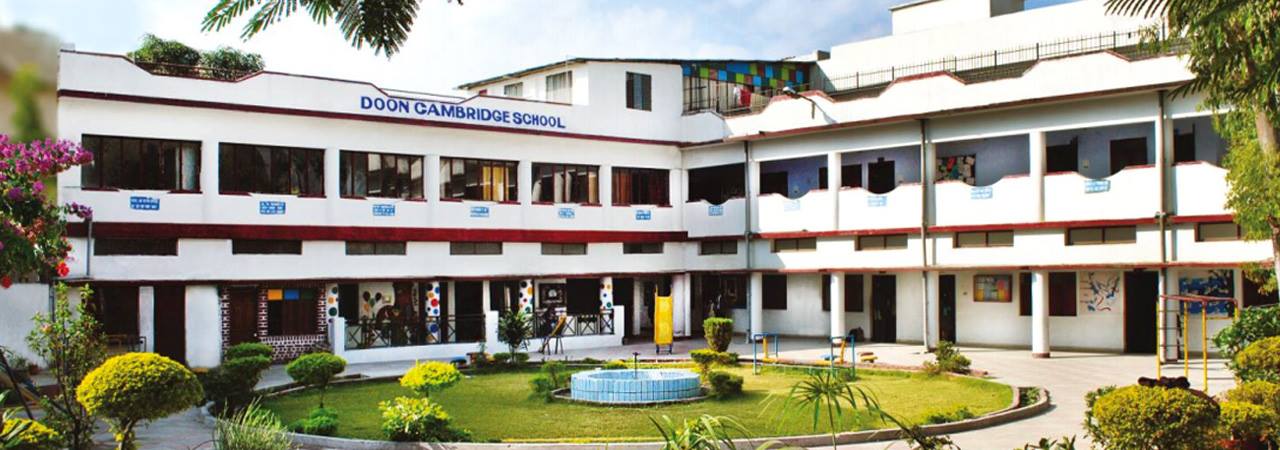


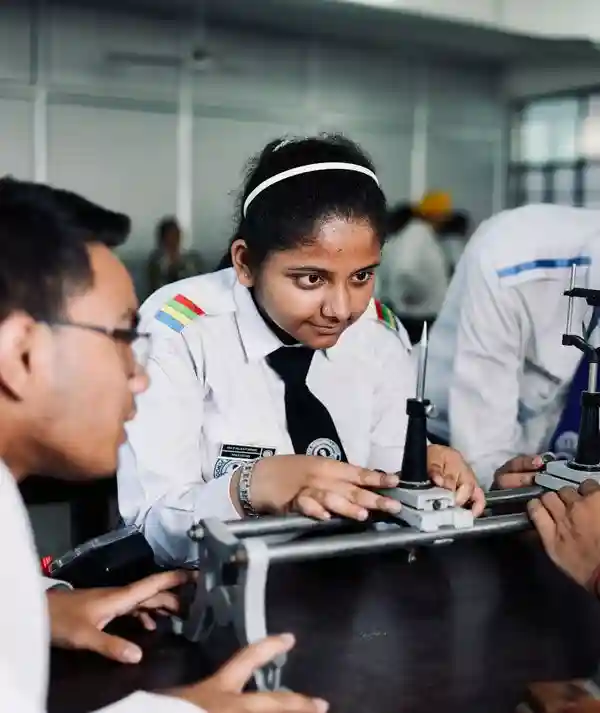

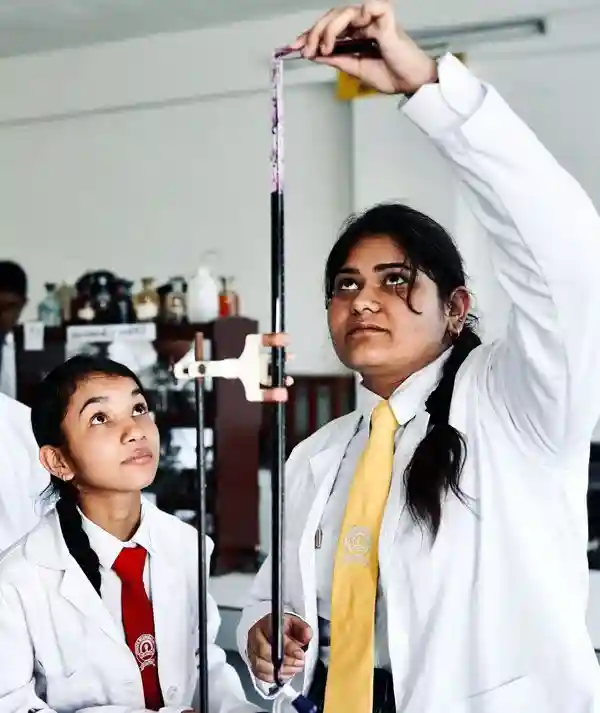
Where this school is
Interview questions & answers for PGT Chemistry
Common questions Indian schools ask for PGT Chemistry roles in Dehradun (ICSE panel) — with a short sample answer for each so you can walk in prepared.
1. How do you differentiate for mixed-ability classrooms?
Give a concrete example — tiered worksheets, flexible groupings, scaffolded reading. Reference formative assessment (exit tickets, mini-whiteboards) as how you decide which students need what, and how you record progress against ICSE learning outcomes.
2. How well do I need to know the ICSE syllabus?
Panels will probe unit-level familiarity. Skim the current ICSE scheme of work for your subject and grade, memorise two chapter names you'd be strongest teaching, and be ready to walk through the assessment pattern (weightings, project component, exam duration).
3. Will I need to submit a sample lesson plan?
Assume yes — most ICSE schools ask for one alongside the demo. Structure it as: objective → prior knowledge check → input (10 min) → guided practice → independent task → plenary. Include differentiation notes and one assessment prompt.
4. Tell me about yourself — how should I frame my self-introduction?
Keep it 60-90 seconds: start with your name and current role, then two or three highlights that map to the PGT Chemistry brief (qualifications, subject/level, standout achievement), and close with why Doon Cambridge School in particular. Avoid your personal life — schools evaluate structure and clarity here.
5. How do you handle classroom discipline?
Lead with prevention: clear routines, seating design, and engagement pacing. Follow with a de-escalation sequence (private redirect → restorative conversation → parent loop-in) and mention that you document incidents. Schools want a framework, not a "punish" answer.
6. What questions should I ask at the end?
Ask three: one about the team (department size, coordinator style), one about growth (PD budget, appraisal cadence), and one about the school (a specific programme). Avoid opening with leave/salary questions unless the panel invites them.