Principal
Apply in ~90 seconds. Sign in or create a profile during apply.

Key facts
- Role
- Principal
- School
- Sainik School
- City
- Satara
- State
- Maharashtra
- Board
- CBSE
- School type
- Senior Secondary
- Employment type
- Contract
- Salary
- ₹9.4L – ₹13L per year
- Experience
- 6–9 years
- Posted
- 7 Jun 2026
- Closing date
- 17 Aug 2026
Compare against the market: Principal salary in Satara
Principal salary in Satara — snapshot
Band posted by the school. Final offers depend on experience, qualifications and interview outcome.
Bands vary by school size, tenure and board affiliation.
Principal
at Sainik School
Send your CV as a PDF. A short cover note in the email body helps.
Apply in ~90 seconds. Sign in or create a profile during apply.
Why apply
- Salary disclosed up-front — no guesswork before applying.
- CBSE school — strong academic systems and recognised curriculum.
- Established school — running for 65+ years.
Job description
Overview
Applications are open for a Principal at Sainik School in Satara, Maharashtra. The role is full-time, aligned with the school's published academic and assessment calendar. Sainik School, established 1961, runs as a senior secondary campus in Satara, Maharashtra — a CBSE-affiliated school. The school believes a strong campus is built on its teachers and works to be a place where faculty want to stay. About the role: the Principal is a senior position blending academic leadership with operational ownership — running reviews, mentoring teachers, handling escalations, and representing the school externally. Responsibilities:
- Lead the assigned section/department on academic and operational matters.
- Mentor teachers through observation, feedback, and development plans.
- Oversee assessment cycles, result analysis, and improvement plans.
- Handle parent escalations professionally and represent the school externally.
- Drive a culture of academic rigour, discipline, and student wellbeing. Requirements:
- Master's degree with a relevant teaching qualification (B.Ed./M.Ed. preferred).
- Significant classroom experience plus years in coordination/leadership.
- Calm, confident judgement with students, parents, and staff.
- Clear writing for academic plans, reports, and parent communication.
- A track record of building and retaining strong teaching teams. Perks and culture:
- Fair compensation with annual review (₹9.4 LPA – ₹12.9 LPA).
- Stable, full-time engagement with a clear academic calendar.
- Regular PD through internal and external programmes.
- A working culture that takes faculty wellbeing seriously.
- A school that genuinely cares about student outcomes. Submit your application on this page and Sainik School will weigh your candidacy for the opening. Next steps usually include a short demo class and a panel discussion.
Common questions about this role
What's the interview process like for this teaching role?
Most schools have 2–3 rounds: an HR call, a demo lesson, then a leadership interview. Be ready to walk through one of your lesson plans and how you handle classroom management.
Where exactly is Sainik School located?
The school is in Satara, Maharashtra. Check the "About the school" section for the campus link and the nearest public-transport reference.
What questions are asked in a Principal interview?
Panels usually ask about your teaching philosophy, a demo lesson walkthrough, how you handle discipline and parents, and syllabus familiarity. See the "Interview questions & answers" section on this page for six of the most common ones and how to answer them.
What does a typical day look like?
Most teachers handle 4–6 instructional periods a day, with the rest going to lesson planning, assessment correction, and a co-curricular duty.
How big are the classes?
Section sizes typically range from 25 to 40 students. The school will confirm exact section size during the interview based on the grade you'll teach.
When are increments and bonuses given?
Annual increments are usually announced in March/April, alongside the new academic year. Performance-linked bonuses vary by school — some pay a one-month festive bonus, others none.
Do staff get fee concession for their children?
Most reputable schools have a staff-child fee concession policy. Eligibility, percentage and number of children covered vary — ask HR for the written policy.
Requirements & role details
Role details
- Vacancies
- 1
Sainik School
Key facts about Sainik School
- Founded
- 1961
- Board
- CBSE
- Type
- Senior Secondary
Sainik School is a senior secondary affiliated to CBSE, established in 1961, located in Satara, Maharashtra.
$27
See all school jobs →Working at Sainik School
Campus gallery
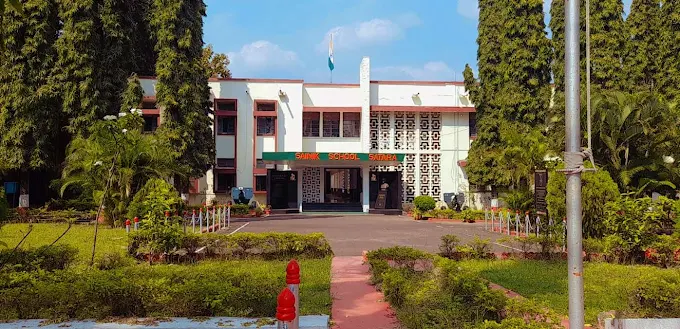
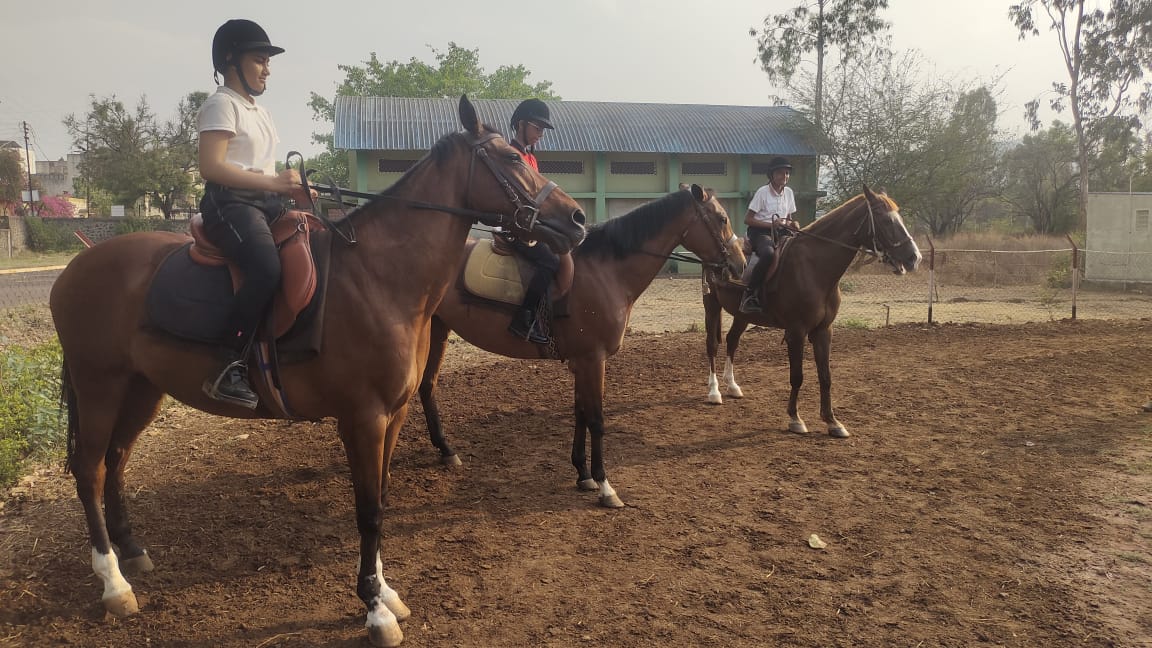
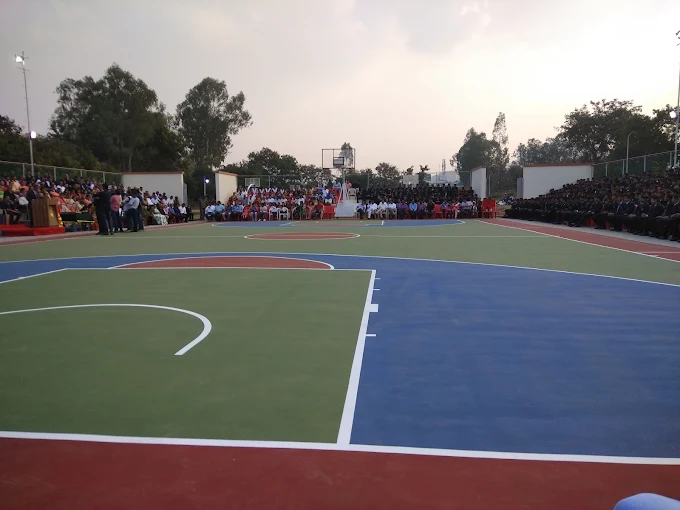

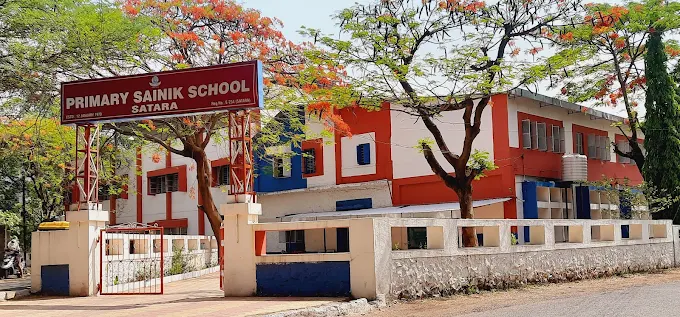
Where this school is
Interview questions & answers for Principal
Common questions Indian schools ask for Principal roles in Satara (CBSE panel) — with a short sample answer for each so you can walk in prepared.
1. How do you use technology in the classroom?
Pick one or two tools you actually use (Google Classroom, Kahoot, Nearpod, a subject-specific simulator) and tie them to a learning outcome, not novelty. If Sainik School runs a specific LMS, mention you'd upskill on it in the first month.
2. How should I answer the salary expectation question?
Give a range, not a single number. Anchor on the typical Principal band in Satara (see the Salary snapshot on this page) plus a 10-15% premium for your experience. Say you're open to discussion once the role scope is confirmed.
3. What is your vision for improving academic outcomes in a CBSE school?
Frame it as three horizons: 100-day audit of teaching quality + assessment data, one-year focus on 2-3 subject departments' pedagogy, three-year plan for co-curricular breadth and university outcomes. Anchor each in CBSE benchmarks.
4. Why do you want to work at Sainik School?
Show you've done the homework: reference the CBSE curriculum, the Satara campus, and one specific programme or value from their website. Tie it to what you bring — pedagogy, subject expertise or a co-curricular strength.
5. How do you differentiate for mixed-ability classrooms?
Give a concrete example — tiered worksheets, flexible groupings, scaffolded reading. Reference formative assessment (exit tickets, mini-whiteboards) as how you decide which students need what, and how you record progress against CBSE learning outcomes.
6. What is your greatest strength and weakness as an educator?
Pick a strength tied to student outcomes with one metric or story. For weakness, name a real one, follow it with the concrete steps you're taking (workshop, mentor, changed practice) — panels reject rehearsed non-answers like "I work too hard".